
Whether you choose to adopt a plant-based, vegan, or vegetarian lifestyle for health-related reasons or animal rights, your social circles may be impacted by your restricted diet. Let’s talk about it.
Over the years, I’ve been off and on some type of vegetarian diet before landing on a pescatarian diet. Regardless of whichever one I was following, there was always one common thread among them that kept me going back to a traditional American diet – social pressure.
I did not care all that much about what I was supposedly “losing” by denouncing meat, as I felt better and happier on a meat-less diet. Missing a burger? I’d find a veggie one. What about chicken strips or wings? I’d manage. It just wasn’t that important to me. Since I was young, I had always felt like I was under the control of food. I was driven by food, and often sought after it as my go-to fix for any bad day or ailment. Now, in my life, I feel like I have more freedom because now I am in control of what I eat. I am not being controlled by food anymore.
But I digress. We are human, and as human beings we long for some type of social connection. Most people thrive in community and enjoy finding a sense of belonging. Nobody wants to feel like they are the outsider.
But can your food choices really make that much of a difference in your social circles?
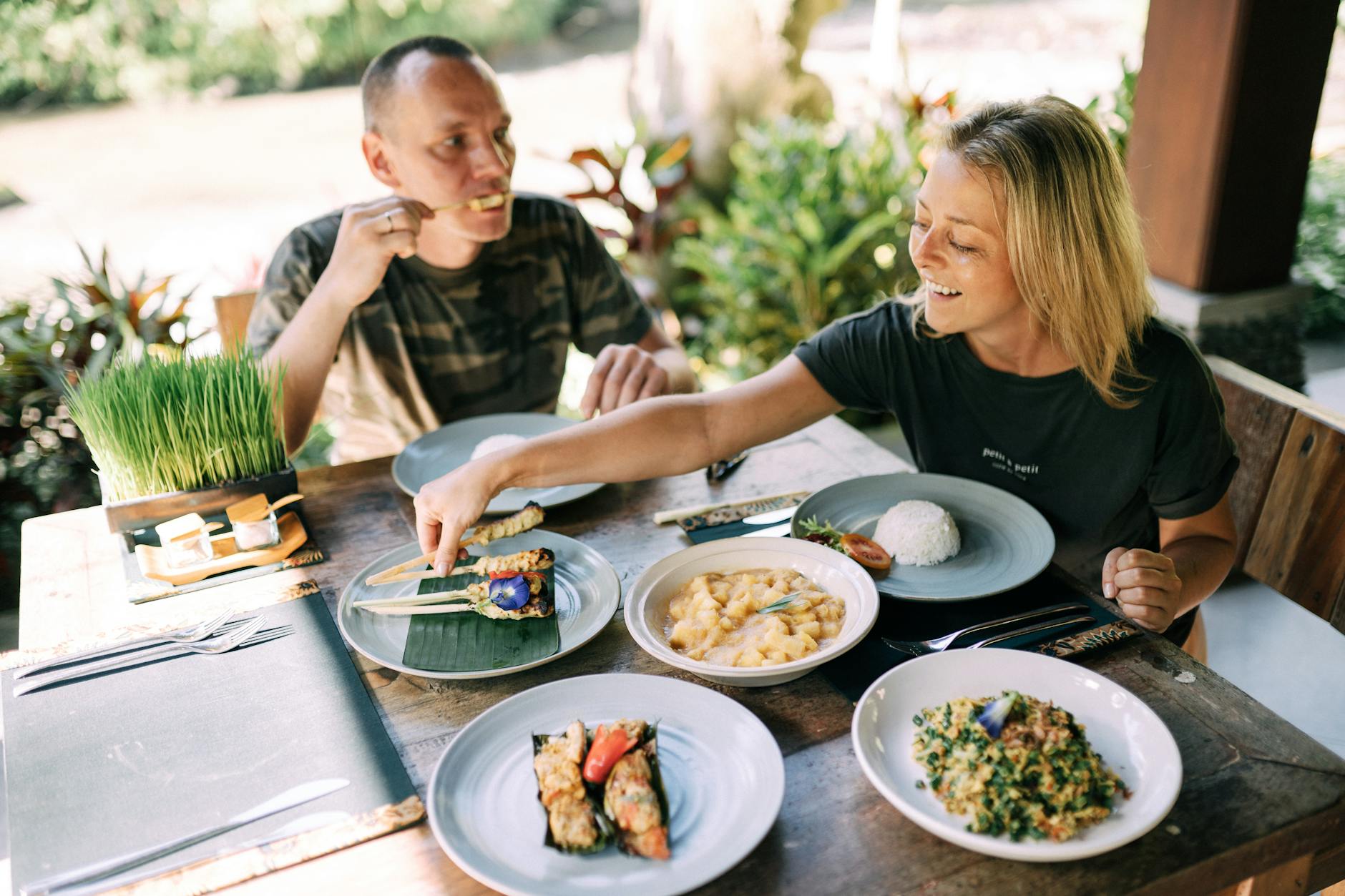
Photo by Yan Krukau on Pexels.com
Imagine that traditional family setting of bringing everybody together for that annual Thanksgiving celebration. Thanksgiving, a holiday that is largely centered around food, can be a difficult problem for those with alternative diets. Your dietary choices, now more than ever, stick out like a sore thumb. Then the questions come… “What can Suzy eat?”, “Will she eat this?”, “Can’t she just eat around it?” and eventually questioning, if not out loud, will undoubtedly take place in their minds of “Why is she even doing this anyways? Can’t we just have a normal meal?”
It’s a point of tension and frustration for everyone. I can’t speak for all vegans and vegetarians, but I hate drawing attention to myself. I would just rather them ignore the fact that I don’t eat a traditional diet and allow myself to pick and choose what suits me. Maybe I’ll just make a meal out of the vegetable sides, unbuttered bread, and sweet potato casserole. It’s really whatever, and as an adult, I certainly don’t want anyone fussing over me. I’ll manage. You just do you, and I’ll find a way to eat.
Or how about the occasional outing with friends. Your friends are trying to decide where to go, and without fail the question arises, “but can Suzy find anything to eat there?” and “What about Suzy?” The initial care and concern for my dietary choices is thoughtful and touching at first, but when it is addressed every single time it gets a bit old. Usually, I can find ways to modify menu items at restaurants to make them acceptable, so I can be flexible. Granted, anything Tex-Mex does usually pose a greater challenge.
The former scenarios are examples of social experiences that are not hostile. They usually come from a legitimate care and concern and are not meant to be harmful. They just get old sometimes.
Unfortunately, not everyone can be so nice and can make their judgments of your dietary choices clear. They don’t care about the reasons you have for doing it, they just want to make you feel bad for doing it.
We all know those passive-aggressive comments like, “Ohhh, but don’t you just want to try a little bit?” as they wave that chicken wing in front of you. No, not really.
Finally, there is a type of social pressure that is associated with the vibe of a particular setting. For example, you go to a baseball game and what do you see people eating? Hotdogs, nachos, popcorn, etc. Movie theater? Again, heavily buttered popcorn and other junk food. Certain places or activities are associated with categories of food, and this general vibe or expectation as a society can weigh heavily on those trying to resist.
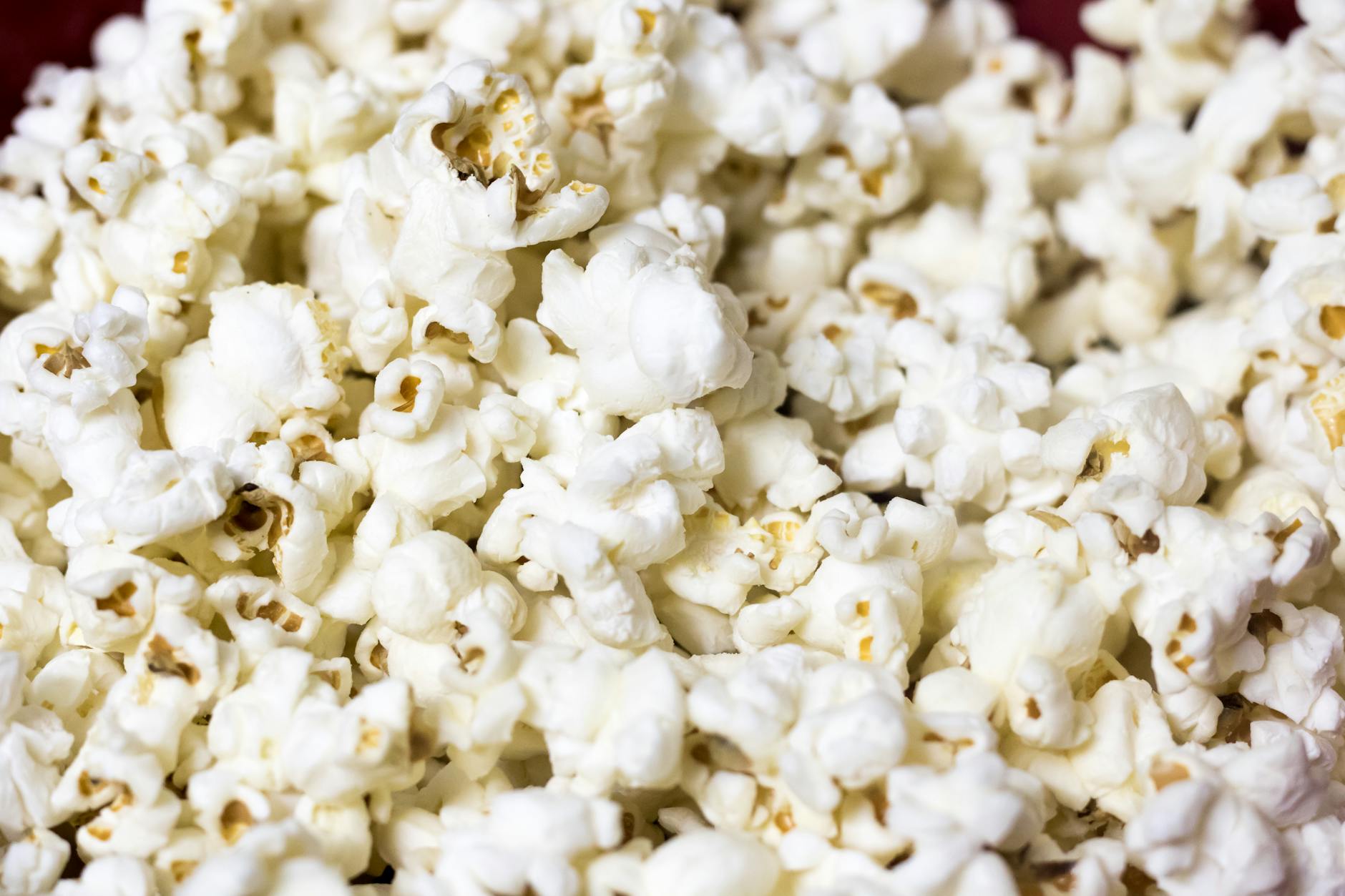
Photo by Megha Mangal on Pexels.com
It’s crazy, because I don’t even want that food. I don’t miss that food. What I want is the experience. The experience of taking part in something communal with others. The sheep mentality, the group thought. We are all doing this together, eating and taking part in this food, and we feel great about it. It goes full circle back around to that Thanksgiving meal. Thanksgiving meals just don’t ever feel the same when you’re the only one not taking part in the main dishes. You feel awkward and judged, even though no one may be judging you at all. Regardless, something just feels off.
So just in a few minutes, we’ve explored some common ways our non-traditional diets can impact our social circles and routines. What can we do about it? What is the solution?
One thing I have tried and will continue to try to do more of is to bring my own plant-based dish for others to sample. Instead of just showing up empty-handed and trying to make do with whatever I can find at the social event, I’ll just bring my own. Not only will this guarantee that I’ll have something I can eat aside from a few sides, it’s also a great conversation starter and a way to share my alternative lifestyle with others. Get others to try your food, and see just how good plant-based can be. I’ve witnessed several times when serving friends and family something plant-based that it exceeded their expectations.
Some people have a built-in negative association with plant-based – let’s change that. Let’s get proactive in sharing our food with others. After all, isn’t that what it’s all about? Sharing in our communities and finding connections through means like food?
What has your experience been in social settings as a vegan or vegetarian? We want to hear from you!
 East Texas Vegan
Leave a comment