

Veganism, vegetarian, and plant-based diets have been around for awhile now, and since then certain associations has been made with these diets that may or may not be true. In this post, we will discuss what the top myths are and provide a different perspective that will shed some light on these common misunderstandings.
1. You will be healthier as a vegan or vegetarian.
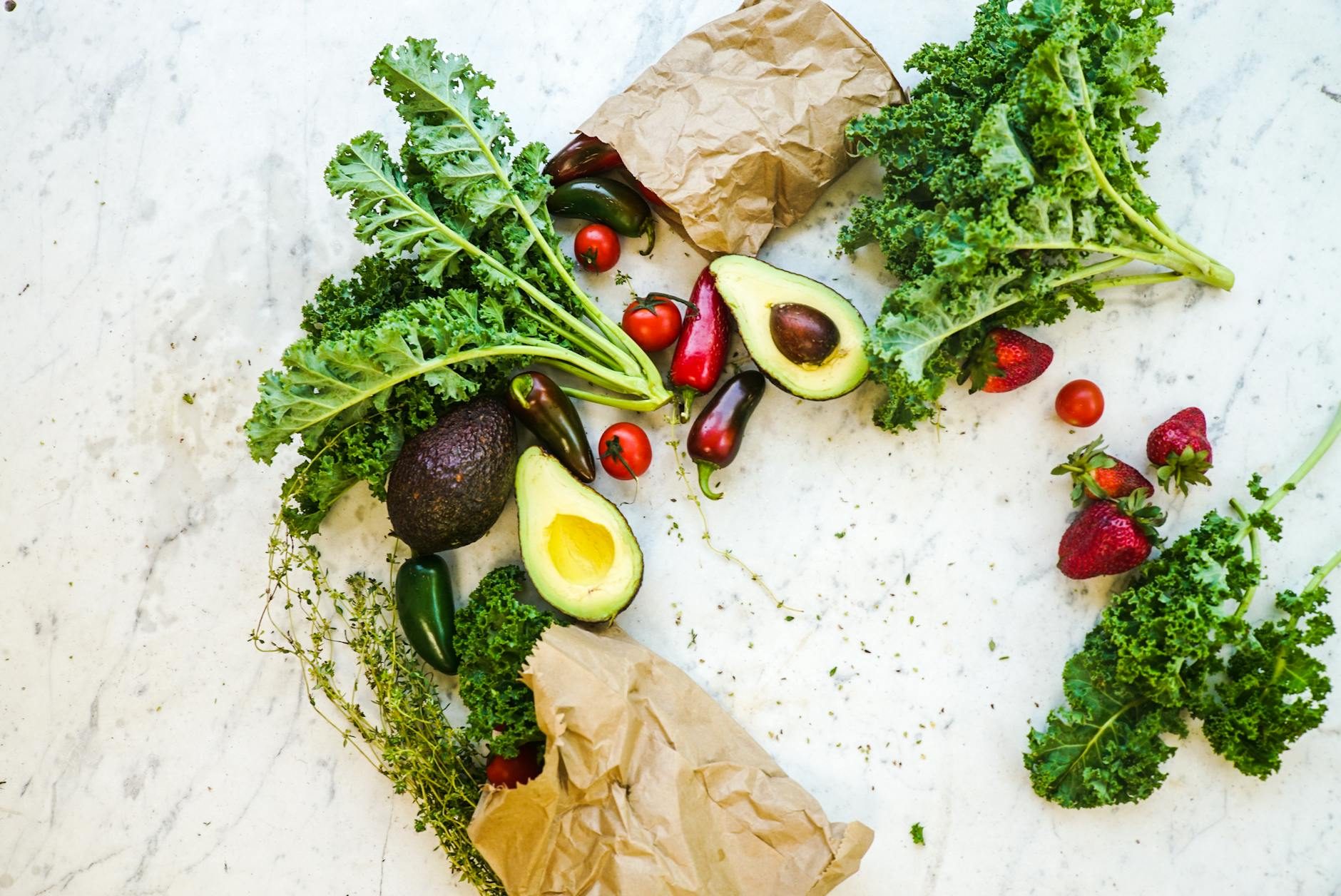
Photo by Wendy Wei on Pexels.com
This common misperception is likely attributed to the association of vegetables, whole foods, and clean eating with vegetarianism. Unfortunately, I cannot count how many times I have witnessed this just not to be the case. Many vegan and vegetarian friendly products are highly processed and filled with just as many random ingredients as their meat-based counterparts are. In fact, if the diet is done incorrectly, vegans and vegetarians could possibly be less healthy than their omnivore friends. How is this so? With the disproportionate focus on processed carbs, fats, and frankly just fast food in general, a vegan or vegetarian could not only be eating just as much junk food but also be lacking in the essential vitamins and amino acids that are missing from their diet.
Instead of just eliminating meat and perhaps other animal-based products if you’re vegan, you’ll need to also be focusing on getting the nutrients you need via the cleanest and less processed way possible. Cut out fast food, choose the fresh vegetables, ditch fried and greasy food. It’s the same thought process behind many of the omnivore diets focused on weight loss, but without the meat. You cannot simply cut out meat and eat vegan junk food to lose weight; it just doesn’t work like that.
Instead, a rich vegan or vegetarian diet focused on minimally processed, fresh, and whole foods coupled with strategies for acquiring the essential vitamins and amino acids that you need is what will ultimately bring you success. Everything that we’re saying here honestly is nothing secret nor profound, as it has been said before, but it cannot be said enough. Take care of your body, and you will see the results.
Finally, vegetarian, vegan, and plant-based diets may just not be for you – and that’s OK. Everybody is different and must respect their bodies. Do what’s right for your physical health.
2. You will lose weight as a vegan or vegetarian.
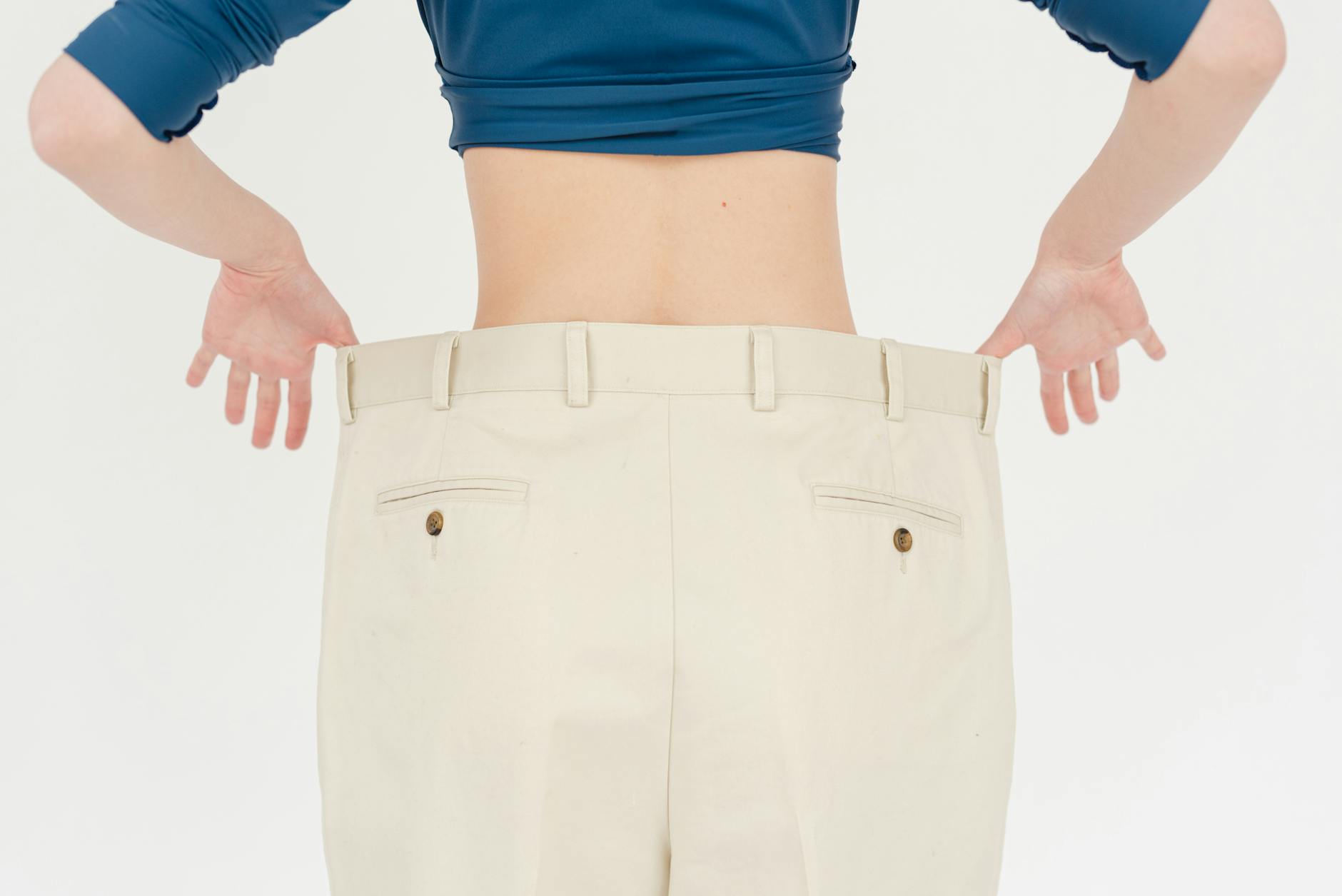
Photo by SHVETS production on Pexels.com
This one goes along with #1 for obvious reasons. Again, some people try these diets with the idea that the diets alone will help them lose weight. An unhealthy vegetarian or vegan diet will not get you anywhere, and unfortunately may make you feel even worse than you did before as an omnivore.
Best way to lose weight? There are many opinions on this but we stick to the tried and true – count your calories! Eat less than you spend in energy and you will lose weight. Just make sure you’re getting all the nutrients that your body needs and exercise frequently!
For this reason, I would not recommend these diets for anyone who is interested in doing them just for the sake of weight loss. That’s not what these lifestyles are about. Weight loss and getting healthy can certainly be a part of it, but ask yourself what your true motivations are for making these changes and do some soul searching. These diets are highly restrictive, especially if you’re going vegan, and will absolutely not only make an impact on your daily life in terms of convenience and options, but on your social life too. It’s a lot to consider.
3. You cannot be healthy as a vegan or vegetarian.

Photo by Andrea Piacquadio on Pexels.com
Okay, so this one now is going in the opposite direction!
So while it may be true that you could wind up on an unhealthy vegan or vegetarian diet, that doesn’t always have to be the case, obviously. The key is to ensure that you’re getting those precious amino acids and nutrients, which you can do in a few different ways.
The fact is, our bodies by nature are not designed to be conveniently vegetarian or vegan. We’re designed to retrieve our nutrients from an omnivorous diet as some of these nutrients that our bodies need can nearly exclusively be found in meat and animal-based products. We say nearly exclusively because some of these nutrients are very hard to retrieve otherwise, but it is possible.
Thankfully, it is becoming more common to see companies incorporating these required nutrients into their products. Products like Huel and Soylent offer nutrient-packed beverages and foods that can help vegans and vegetarians get what they need so that they don’t become part of the nutritionally deficient statistic associated with these diets.
The point is, as a vegan or vegetarian, you must do your own research and discover what works for you and your body. Observe how you feel on these diets and pay attention to your body’s warning signs – it will let you know.
4. Vegan and vegetarian diets are expensive.

Photo by maitree rimthong on Pexels.com
Now, as this one may have some truth to it, it doesn’t always have to be the case.
Vegan and vegetarian diets are often associated with a higher grocery bill because plant-based alternatives to common household foods are generally more expensive. For example, non-dairy milk is typically higher in cost than cow’s milk. The same goes for non-dairy cheeses, meat substitutes, etc. There is a common theme, however, to these price hikes – they all have to do with substituting a plant-based alternative for something that’s animal-based.
Obviously, everything that’s plant-based doesn’t have to be a substitute. Naturally occurring plant-based foods such as fruits, vegetables, and grains are not any more expensive. A vegan or vegetarian diet that seeks to incorporate more of these naturally occurring plant-based foods and limiting the amount of substitutes should be more affordable. Not only that, but likely more healthy as well. As previously discussed, many of these plant-based substitutes are heavily processed and high in saturated fats – junk food, if you will. It’s best for you and your wallet if you keep these types of food purchases to a minimum.
Looking for some places to shop that offer plant-based items and savings? Check out our recent post on Summer Finds at Aldi.
5. All vegan and vegetarian people are weird or just hippies.

Photo by Designecologist on Pexels.com
We have nothing against anyone who actually claims to be a hippie, but the idea that all vegan or vegetarian people are hippies is simply not true. Whether you are plant-based, vegan, vegetarian or even pescatarian, this alternative lifestyle and diet is enjoyed by all kinds of people for various reasons.
Some people choose this lifestyle because of their concern over animal welfare. I myself chose my diet in part due to this reason, as we can’t be certain where our meat comes from in the meat industry or just how well the animals were cared for. We’ve all seen those shocking documentaries where animals were being mercilessly slaughtered, and it is very disturbing to say the least. This is why whenever we do choose to purchase animal-based products for our loved ones, we strive to source them from local farmers and people we know and trust.
Unfortunately, there is always an extreme point of view in every camp, and it’s those types of voices that have likely been the main culprit for getting us labeled as weird, liberal, tree-hugger, etc. Groups like PETA have been notorious for going overboard on their marketing to all ages, not shying away from disturbingly graphic material. I could go deeper on this point, but I’d rather keep the tone more light-hearted. The fact is, there are certain voices out there that have created a negative stigma of vegans and vegetarians, and that is unfortunate.
Other people choose this lifestyle for the perceived sake of overall wellness and healthy eating – which can be true, as we have previously discussed. This idea is also a part of the reason why I chose to switch to a diet focused on plant-based foods, as I personally was struggling with digestive issues and food sensitivities that have improved since making the dietary switch.
Again, we cannot stress enough that any major changes that you make, such as going vegan or vegetarian, should be under the care of your doctor. Abrupt changes like this can be hard on your body, so it might be wise to introduce yourself to the diet gradually. But hey, I’m not a doctor, so don’t take my word for it!
The point is, the reason that someone chooses to become vegan or vegetarian can be about multiple reasons or something entirely different than the norm. The people that choose to do so can come from all kinds of different backgrounds, social statuses, and cultures. Let’s move away from putting everybody in a box and just let people choose to eat what they want to eat.
What do you think about these myths? Anything we missed? Share your thoughts below!



 East Texas Vegan
Leave a comment